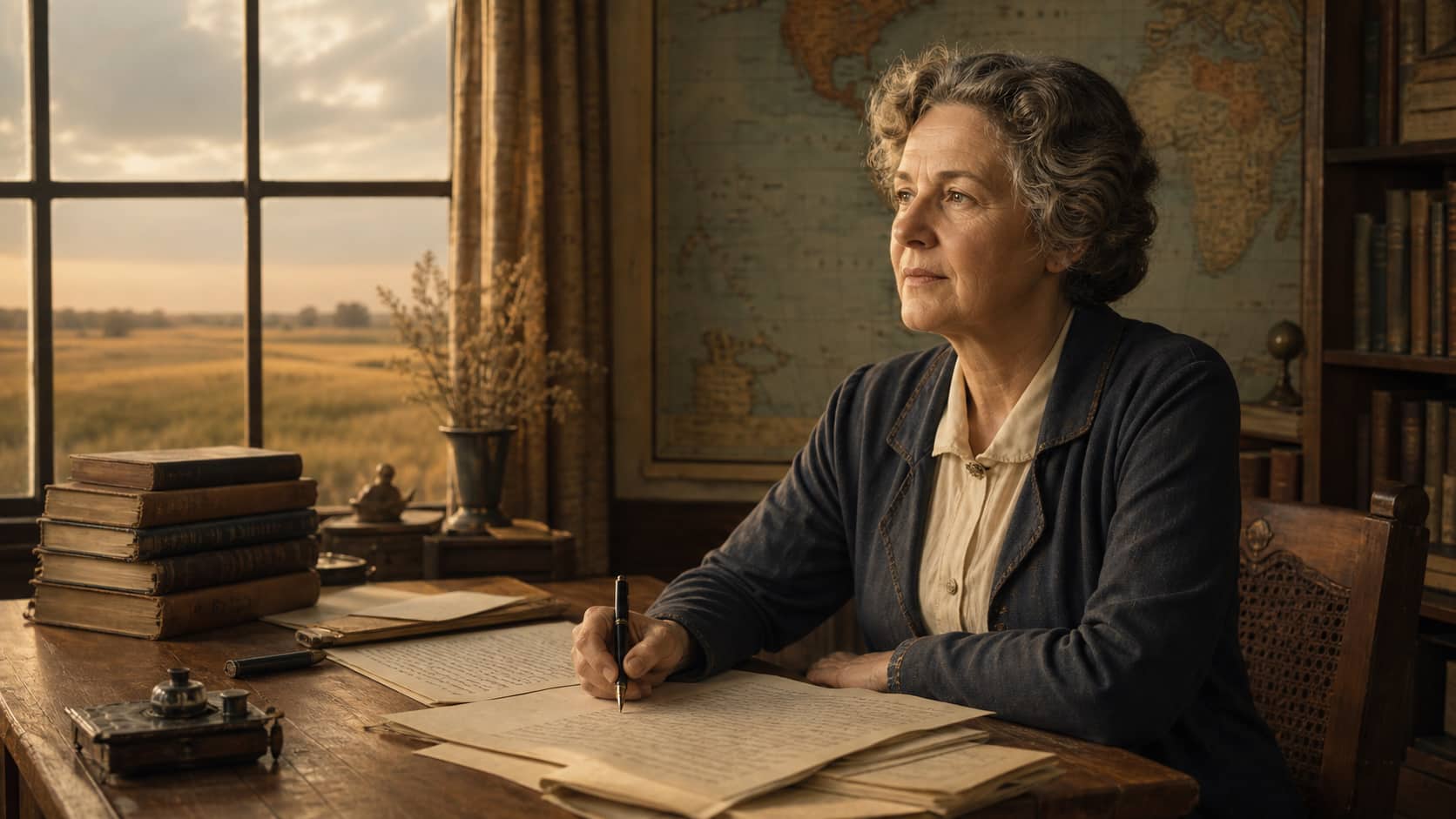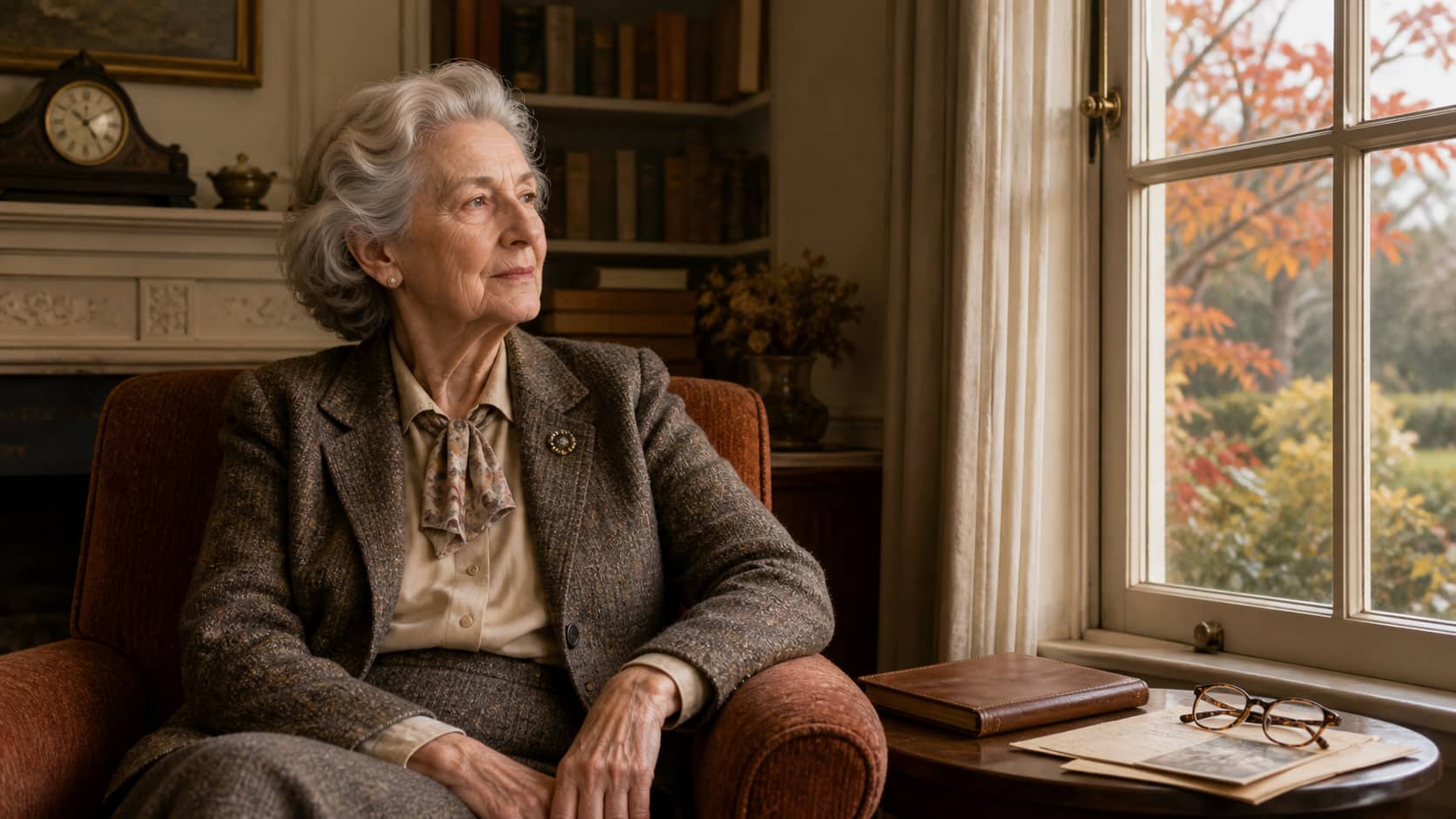
The real Mary Ingalls lived a life shaped by perseverance, family devotion, and quiet strength. While many know her through the Little House books, where she is portrayed as the gentle, studious older sister who went blind, Mary’s real life story was equally inspiring—and in some ways, more complex than what was depicted in fiction.
Early Life and Sudden Blindness
Mary Amelia Ingalls was born on January 10, 1865, near Pepin, Wisconsin. She was the first child of Charles and Caroline Ingalls and spent her early years moving with her family across the American frontier. At the age of 14, Mary lost her sight. For many years, the cause was believed to be scarlet fever, as written in the Little House series. However, modern historians and medical researchers now believe that Mary likely went blind due to viral meningoencephalitis, a condition that causes inflammation of the brain and optic nerves.
Despite her blindness, Mary continued to be an integral part of the Ingalls household and family life. Her condition led to significant changes in how the family approached daily routines and responsibilities—especially for her younger sisters, who helped her navigate their surroundings.
Education at the Iowa College for the Blind
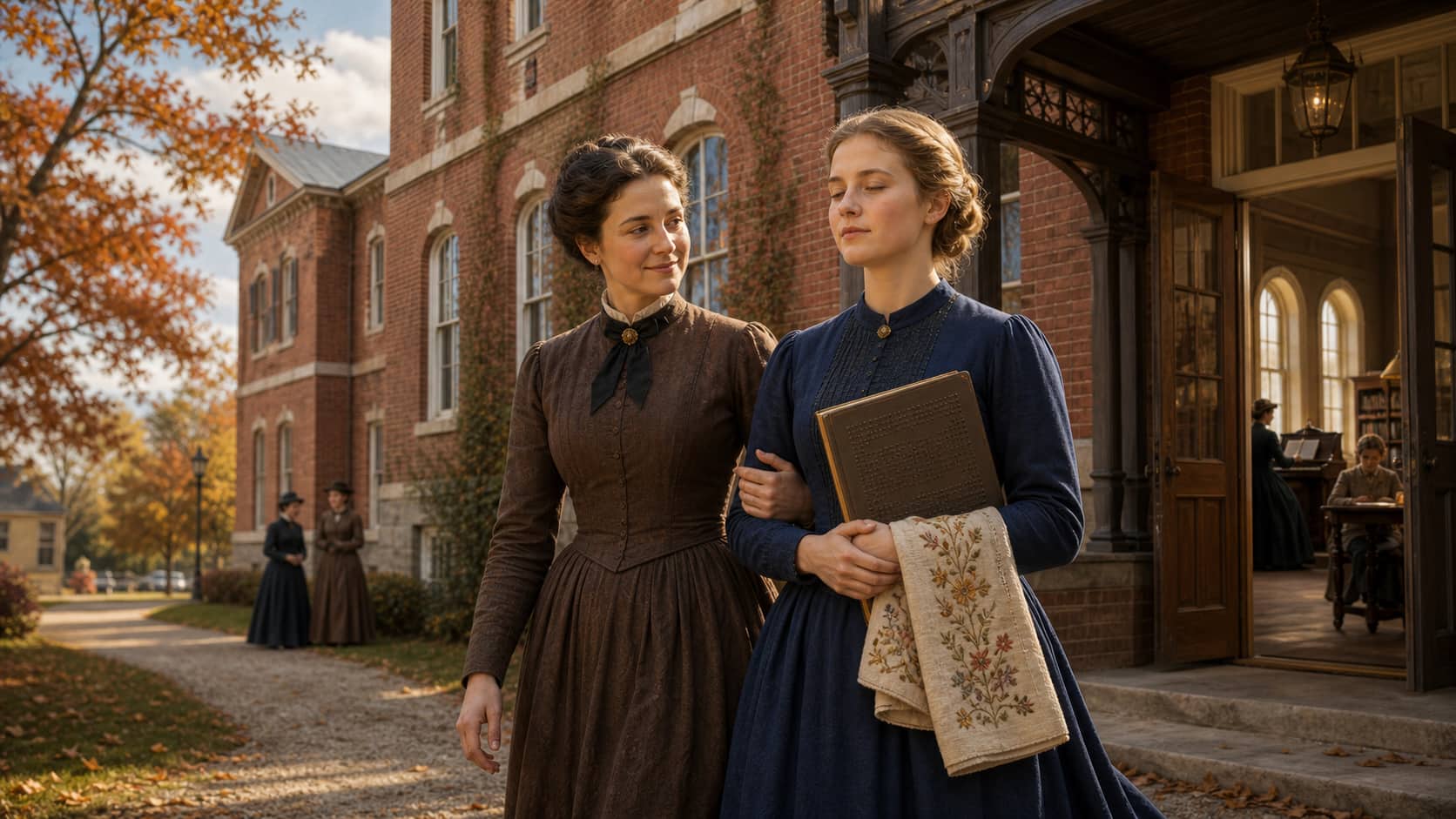
In 1881, at age 16, Mary was enrolled at the Iowa College for the Blind in Vinton, Iowa. She attended the school for seven years, where she learned braille, needlework, and other domestic skills. Her time there was transformative, giving her a sense of independence and the opportunity to be part of a supportive learning environment tailored to her needs.
Mary’s education helped her remain active and productive when she returned home to De Smet, South Dakota. Though she never married or held public employment, she contributed to the family by sewing, reading braille scripture, and participating in church life.
Later Life in De Smet
After her schooling, Mary returned to live with her parents and later with her sisters in De Smet. She remained close to her family for the rest of her life. When her father, Charles Ingalls, died in 1902, Mary continued to live with her mother and sister Carrie. Following Caroline Ingalls’ death in 1924, Mary spent her final years with her youngest sister, Grace, and Grace’s husband, Nathan Dow.
Mary passed away on October 20, 1928, at the age of 63. The cause of death was a stroke. She is buried in the De Smet Cemetery, not far from other members of the Ingalls family.
Legacy and Public Perception
Through the writings of her sister Laura Ingalls Wilder, Mary became a beloved figure to generations of readers. In the books, she is portrayed as calm, wise, and often angelic—a role model for patience and dignity. While Laura’s depiction highlighted many true aspects of Mary’s personality, it also left out much of her inner strength and the depth of her daily challenges.
The real Mary Ingalls was not just a symbol of quiet suffering. She was a woman who adjusted to profound disability in a time with very limited resources, mastered skills many sighted people did not have, and lived independently within a close-knit family. Her story is one of grace—but also one of grit.
Today, Mary Ingalls is remembered not only as Laura’s older sister, but as a resilient pioneer woman in her own right—someone who overcame enormous obstacles with courage and dignity.