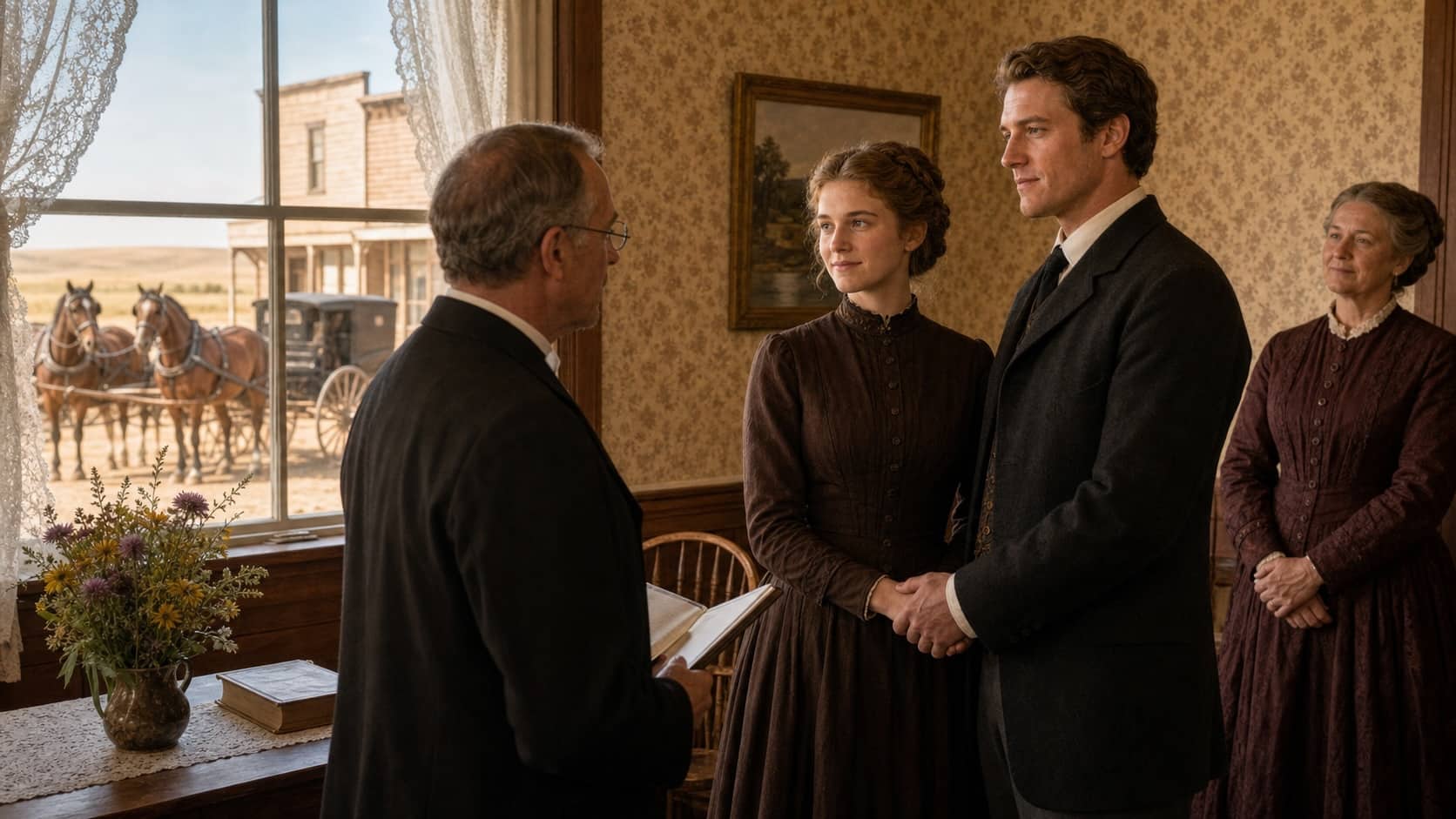
Laura Ingalls and Almanzo Wilder were married on August 25, 1885, in De Smet, Dakota Territory. At the time, Laura was 18 years old, and Almanzo was 28, making for a ten-year age difference. Their marriage marked the beginning of a lifelong partnership that would become the foundation for one of America’s most beloved literary legacies.
A Courtship on the Prairie
The relationship between Laura and Almanzo began in the early 1880s, when they met in De Smet. Almanzo was an established homesteader and skilled horseman, while Laura was still finishing her education and working as a schoolteacher to help support her family. Their bond grew over time through shared rides in Almanzo’s sleigh, conversations about farming and life, and mutual respect.
Their courtship is charmingly chronicled in Laura’s book These Happy Golden Years, which highlights the gentle unfolding of their romance in a time when dating customs were vastly different from today. Almanzo’s consistent presence and dependable nature impressed Laura, who valued independence and sincerity.
A Ten-Year Age Difference in Historical Context
While a ten-year age gap might raise eyebrows today, it was not unusual in the 19th century, especially in frontier communities where maturity and self-sufficiency were highly valued. Laura and Almanzo’s age difference was balanced by shared values and the mutual determination to build a life on the land.
Laura’s writings suggest that Almanzo treated her with kindness and equality, something that undoubtedly contributed to the strength of their bond. Their relationship was rooted in a partnership mentality—each respected the other’s opinions, work, and strengths.
Starting Life Together
After marrying in 1885, the couple faced a series of early challenges. They lost their first home to fire, endured crop failures, and were both struck by illness, including a bout of diphtheria that left Almanzo partially paralyzed for a time. They also experienced the heartbreak of losing their infant son.
Despite these trials, Laura and Almanzo remained resilient. In 1894, they moved to Mansfield, Missouri, where they established Rocky Ridge Farm. There, they raised their daughter, Rose Wilder Lane, and built a quieter but fulfilling life focused on farming and community.
The Foundation of a Literary Legacy
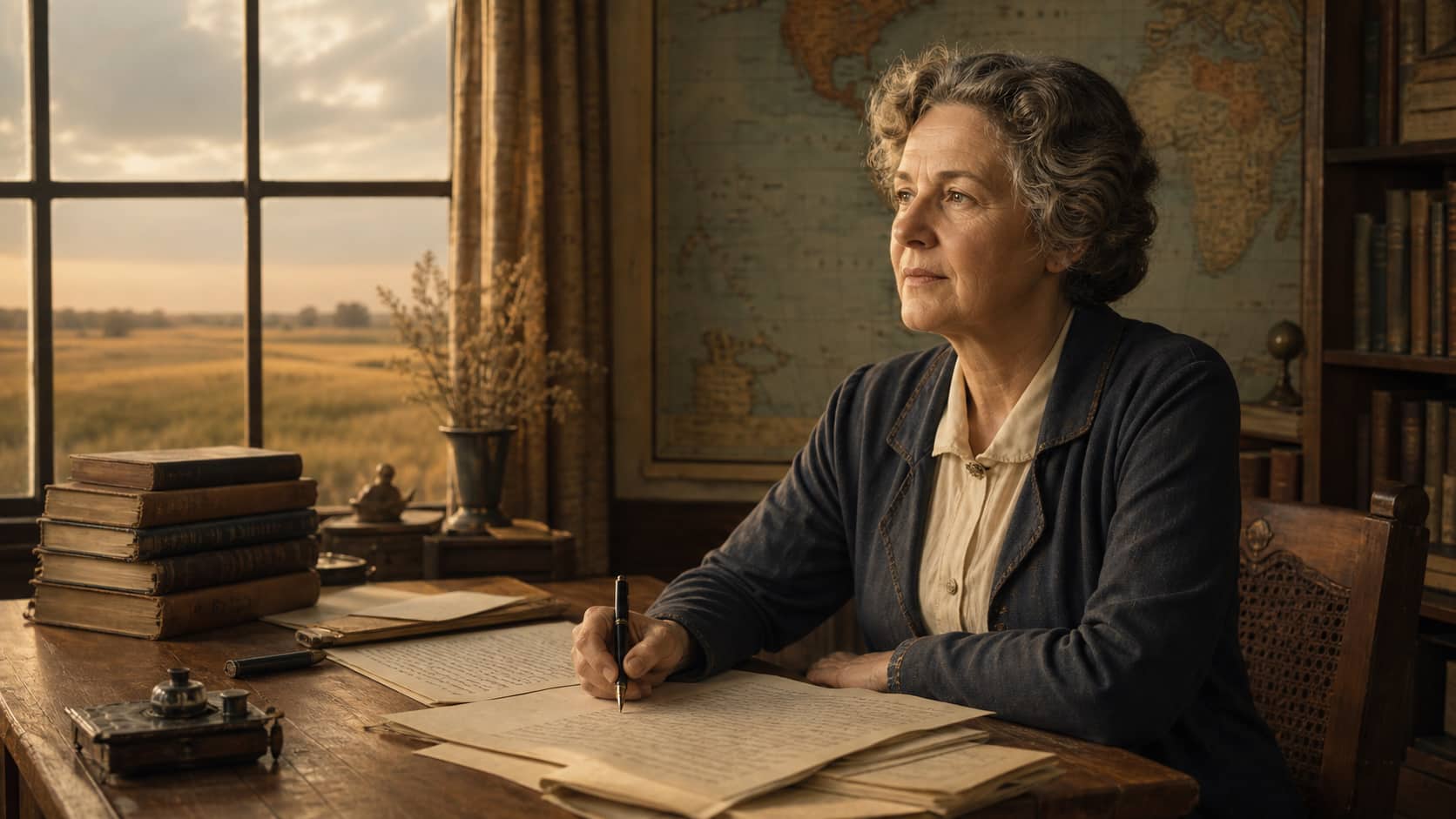
The marriage of Laura and Almanzo Wilder would go on to shape American culture in unexpected ways. Laura began writing the Little House books in her 60s, drawing from her life with Almanzo as a source of authenticity and inspiration. Their experiences formed the emotional and historical bedrock for her novels, particularly These Happy Golden Years and The First Four Years.
Through these books, readers around the world gained insight into not only frontier life but also the enduring love and resilience of a couple who started with nothing and built a life together through grit and mutual respect.
Explore More About Laura and Almanzo Wilder
Interested in learning more about their lives, marriage, and legacy? These resources offer deeper insight:
- LittleHouseOnThePrairie.com – These Happy Golden Years
- Laura Ingalls Wilder Historic Home & Museum – Mansfield, Missouri
- PBS American Experience – Laura Ingalls Wilder
- The First Four Years by Laura Ingalls Wilder – Goodreads
Laura and Almanzo Wilder were 18 and 28 when they exchanged vows—a young woman and a seasoned farmer starting their lives on the Dakota frontier. Their marriage became a symbol of the pioneer spirit, and their legacy continues to inspire generations through books, museums, and the timeless values they lived by.