Mary Ingalls was 14 years old when she lost her sight. The event occurred in the spring of 1879 while the Ingalls family was living in Walnut Grove, Minnesota. The sudden onset of blindness was a life-changing moment for both Mary and her entire family, and it played a major role in shaping her future.
The Cause of Mary’s Blindness
For many years, it was believed that Mary went blind due to scarlet fever—a detail that was included in Laura Ingalls Wilder’s Little House books. However, modern medical researchers now believe the real cause was likely viral meningoencephalitis, an inflammation of the brain and optic nerves that can lead to permanent vision loss.
The illness struck Mary suddenly, and despite the family’s limited access to medical care on the frontier, she survived the infection—but permanently lost her sight. Her condition brought significant emotional and practical challenges to the family, particularly to her parents and younger sisters, who helped care for her.
Adjusting to a New Life
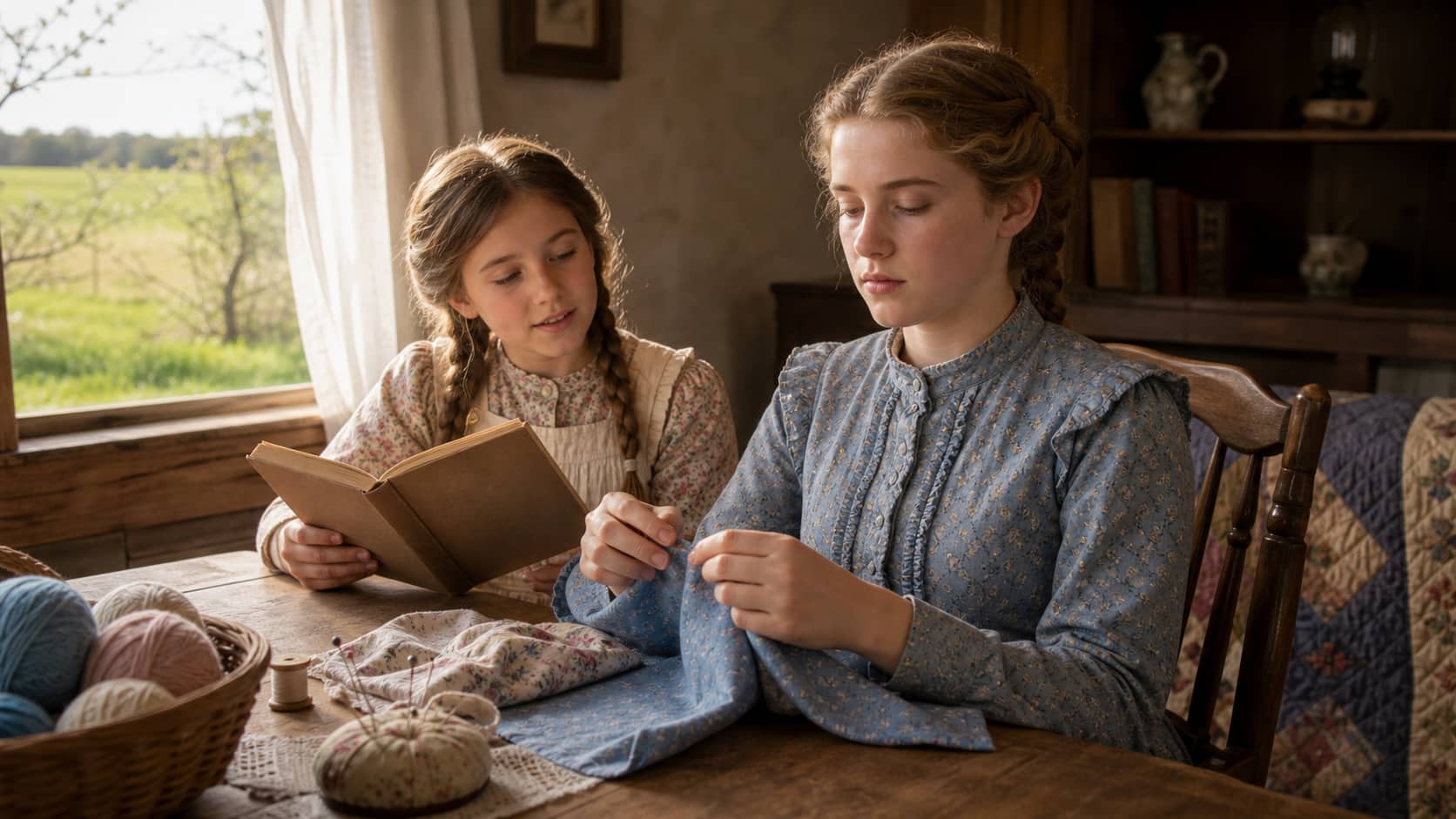
Despite her blindness, Mary’s story did not end with tragedy. With strong support from her family, she continued to participate in daily life and eventually attended the Iowa College for the Blind in Vinton, Iowa. There, she learned braille, sewing, music, and domestic skills that helped her lead a productive and engaged life.
Mary remained an important part of the Ingalls family throughout her life. Her quiet strength and perseverance in the face of adversity are central to her legacy, and her story continues to resonate with readers and historians alike.