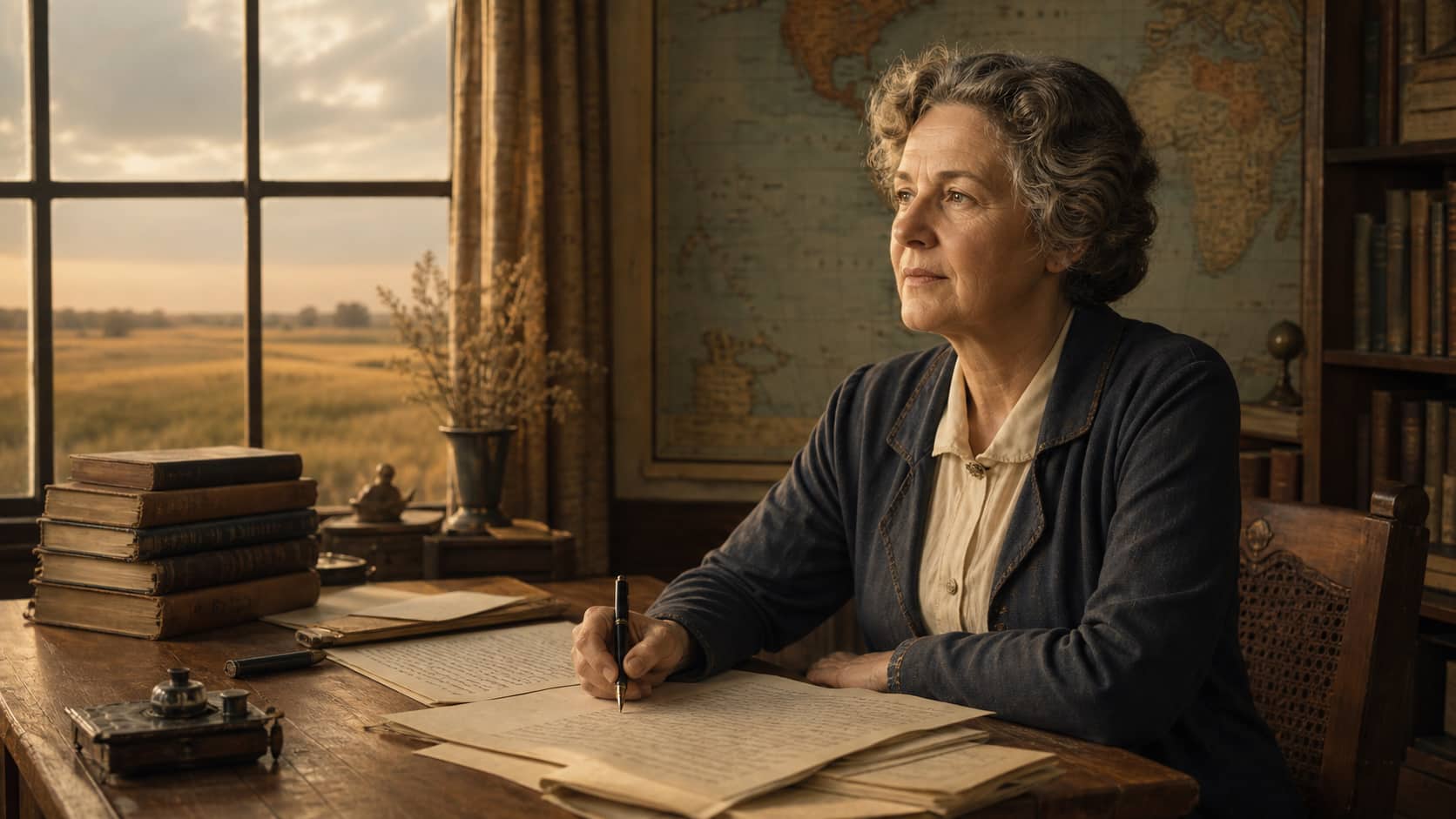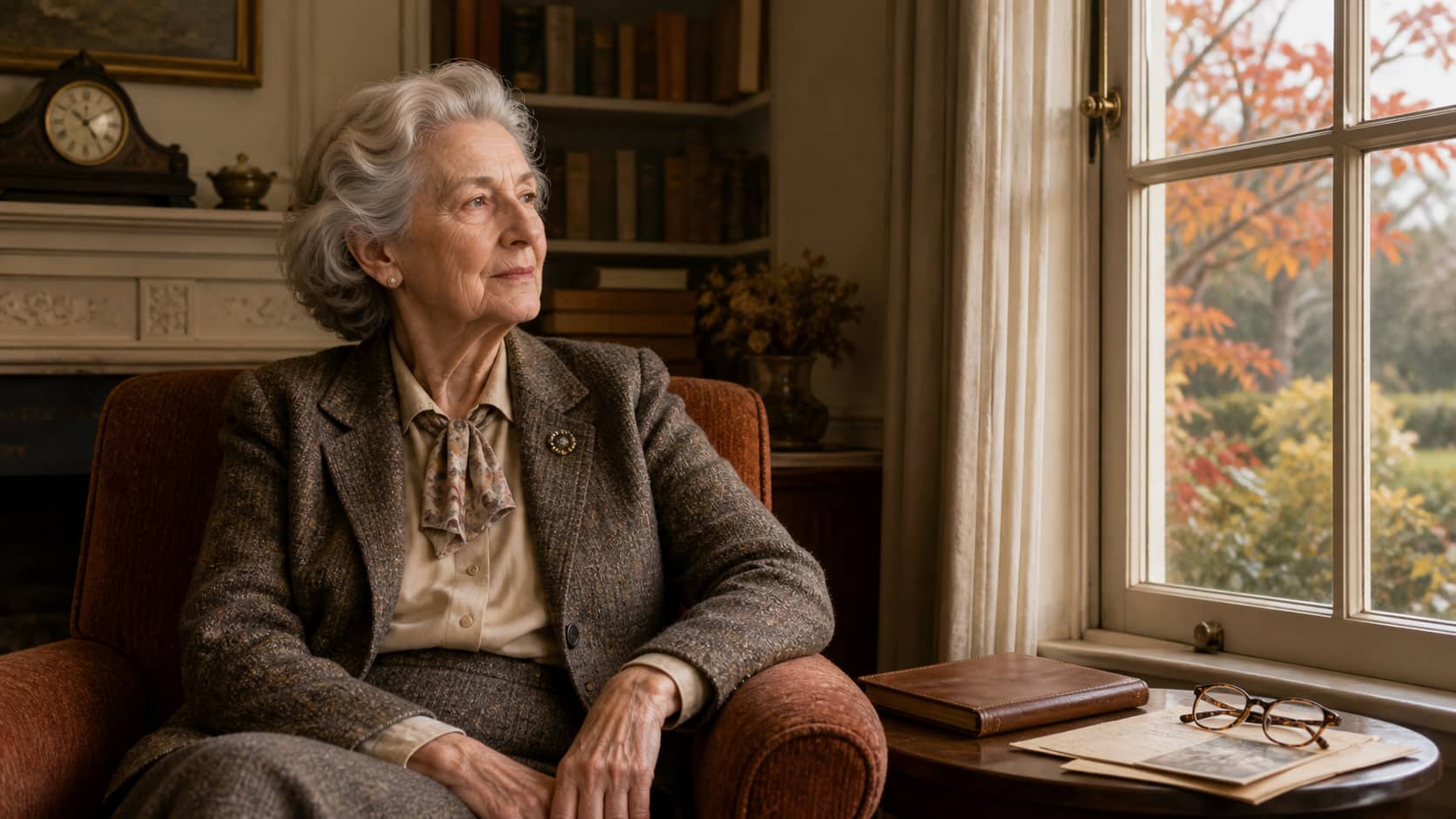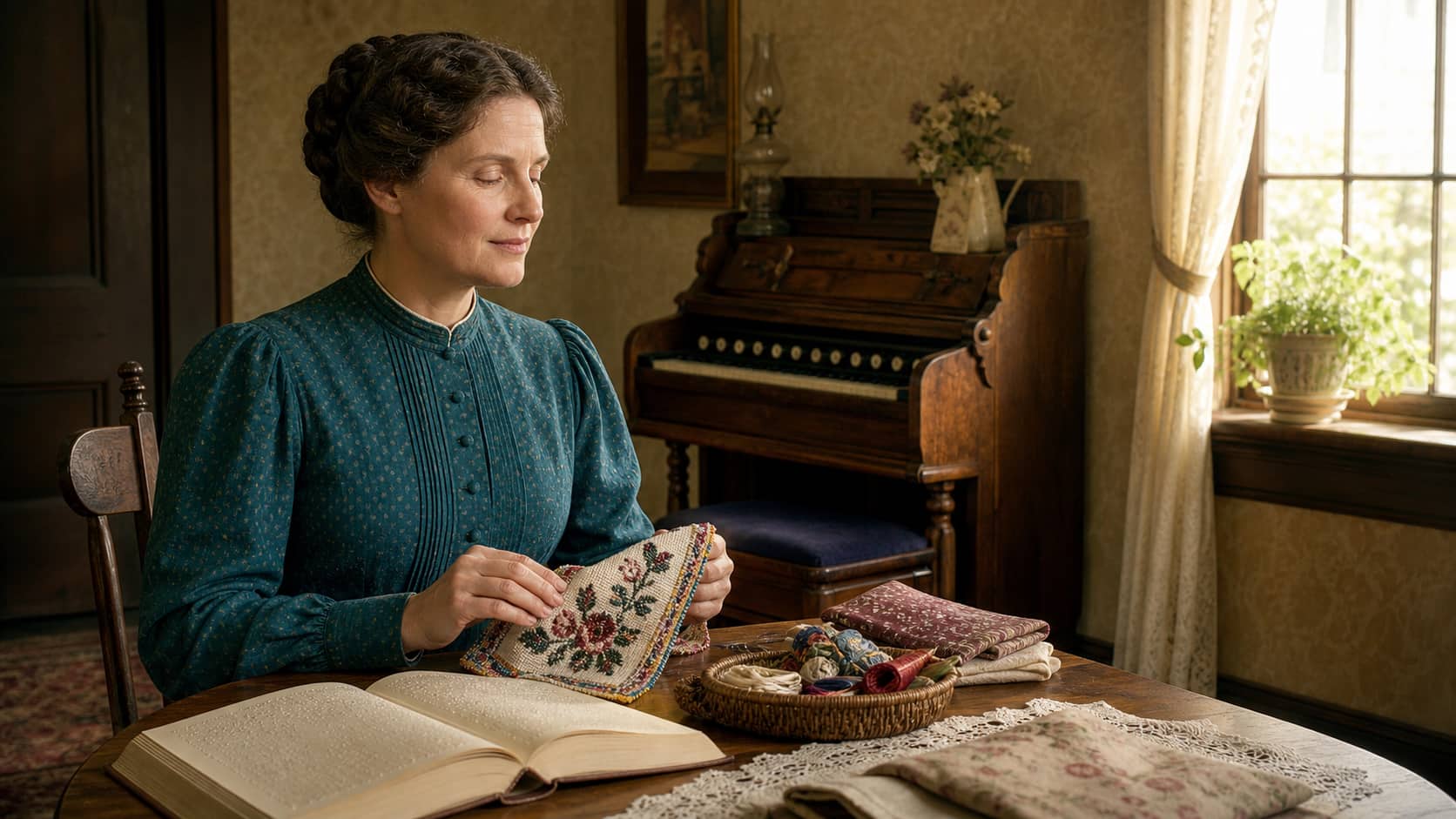
The real Mary Ingalls never married. Unlike many women of her era, and contrary to some fictional portrayals or common assumptions, Mary remained single throughout her life. Her blindness, along with the physical and social limitations it brought in the late 19th century, contributed to her remaining within the care and companionship of her family.
Life After Blindness
Mary lost her sight at the age of 14 due to an illness that modern researchers believe was viral meningoencephalitis. In 1881, at age 16, she enrolled in the Iowa College for the Blind, where she was educated in braille, sewing, and domestic skills. After completing her education, she returned home to live with her family in De Smet, South Dakota.
Though she never married, Mary led a meaningful and active life. She was deeply involved in church activities and made significant contributions to her household, especially in sewing and homemaking. She remained especially close to her sisters, and after the death of her parents, she lived with her younger sister Grace and Grace’s husband.
Misconceptions from Fiction
In the Little House book series written by her sister Laura Ingalls Wilder, Mary is portrayed as serene, wise, and deeply admired. However, the books do not mention her marrying, and the real Mary never did. In some television adaptations, liberties were taken with the characters’ lives—including fictional marriages for dramatic effect—but these should not be mistaken for historical fact.
Mary’s Legacy
While Mary never married, her legacy is far from limited. She overcame tremendous challenges in a time when few resources existed for blind individuals. Her life is a testament to quiet strength, devotion to family, and perseverance through adversity. She remains an important part of the Ingalls family story and continues to inspire readers and historians alike.